Are Metal Planters and Raised Beds Safe for Plants? Everything You Need to Know
In modern landscape design, metal products are experiencing another boom in popularity. Elegant powder-coated aluminum products, charming galvanized steel pieces, metal planters and beds largely rival wooden and plastic garden furniture, yet they look incredibly stylish. Their durability is second to none.
However, if you're planning a vegetable garden or creating a luxurious flower arrangement, you're likely wondering: are metal containers really safe for my plants? The short answer is a resounding yes. But to create the garden of your dreams, you need to understand how different metals interact with soil.
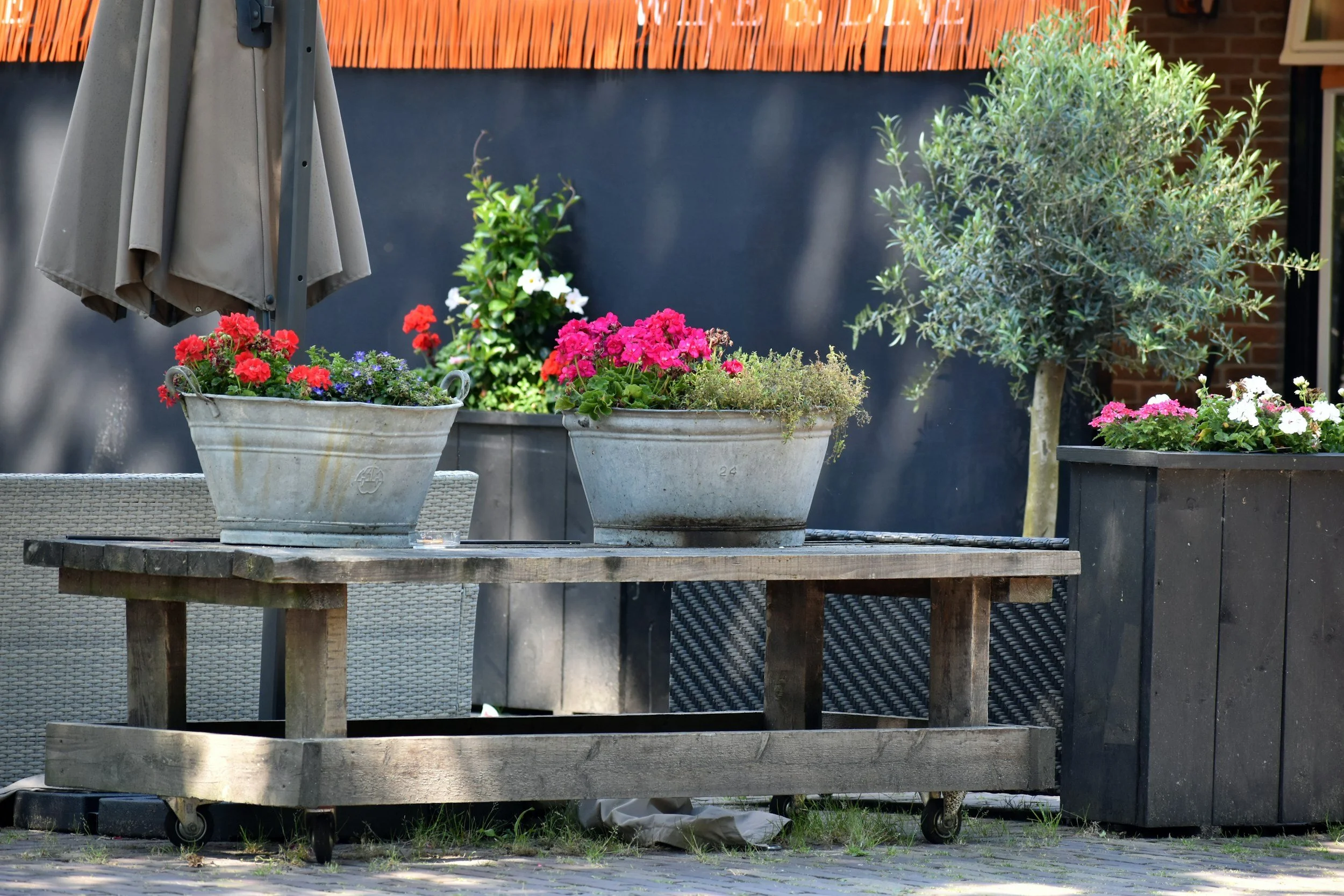
Is Metal Harmful to Plants or Soil?
A common question among gardeners is whether metal leaches chemicals into the soil. To understand this, you also need to understand the metals used to make high-quality gardening products and how these products perform over time.
Can Steel Contaminate Soil?
Most modern metal garden beds are made of galvanized steel. This is steel coated with a thin layer of zinc to prevent rust. Zinc is actually an essential trace element for plants, and although it can technically leach into the soil for decades, the amounts are microscopically small.
Because the leach process is so slow, this metal is considered harmless to plants and can even be beneficial in zinc-deficient soils. This is in contrast to older pressure-treated wood, which in the past even contained harmful arsenic. Some types of plastic can emit harmful gases. High-quality steel, however, remains incredibly stable even under heavy use.
What About Rust?
If you use beds or pots made of Corten steel or ungalvanized iron, over time they will develop a beautiful orange patina known as rust (iron oxide). Many gardeners wonder if this is dangerous, but in fact, it's the opposite. Iron oxide is present in soil; it's a natural component. Furthermore, many gardeners fertilize their gardens with iron-fortified fertilizers. This helps prevent leaf yellowing (chlorosis).
The oxidation of pots and beds is purely aesthetic and poses no threat to the health of your flowers or vegetables. In fact, the "weathered" effect is a highly sought-after design technique in modern UK landscapes.
Do Metal Planters Overheat and Kill Roots?
This is perhaps the most frequently asked question. Because metal heats up quickly, people worry that it will fry the root system during the summer heat.
The Reality of Soil Temperature
The metal walls of a pot can actually get hot, as the moist soil inside acts as a powerful heat sink. In a large raised bed, the temperature in the center remains stable because the large volume of soil provides natural insulation for the root system.
Tips for temperature control:
Insulate the soil from the metal: If pots are kept in very hot locations, such as south-facing ones, you can line the inner walls with a thin layer of eco-friendly insulation or bubble wrap.
Water plants regularly: Maintaining soil moisture is the best way to regulate the temperature inside the pot, as water absorbs heat much more efficiently than air.
Choose colors wisely: Light or metallic finishes reflect more sunlight, while dark pots absorb it.
If you follow these very simple tips, your plants will thrive in any pot. With a few small improvements, metal containers are a good option even for species with sensitive root systems and those plants that thrive in moderate climates.
Can you grow vegetables and edible plants in metal raised beds?
Yes! In fact, galvanized raised beds are the "gold standard" for organic vegetable gardening. Many professional gardeners prefer to grow plants in galvanized pots over plastic or wood pots for several practical reasons:
No chemical leaching: Unlike some treated woods or cheap plastics, food-grade metal doesn't contaminate your carrots or cabbage with synthetic chemicals.
Pest resistance: Slugs and snails have a much harder time moving along the smooth, cold edges of metal beds than on rough, porous wood.
Durability: Since metal doesn't rot, you won't have to contend with fungal pathogens that thrive in the decaying walls of wooden pots.
This way, your homegrown vegetables will remain as organic and healthy as possible. So, metal pots are an investment in organic gardening and peace of mind, as you won't have to replace rotten wooden beds every few years or worry about potentially harmful plastic.
Are Metal Plant Pots Better Than Wood or Plastic?
If you are weighing your options for a garden renovation, it is helpful to see how metal stacks up against the competition.
| Feature | Metal Planters | Wood Beds | Plastic Pots |
|---|---|---|---|
| Lifespan | 20+ Years | 5–8 Years | 2–5 Years (UV damage) |
| Eco-Friendly | 100% Recyclable | Biodegradable (if untreated) | Petroleum-based |
| Maintenance | Zero | Requires staining/oiling | Becomes brittle |
| Style | Modern/High-end | Traditional | Often looks "cheap" |
As the table shows, metal lasts longer and has better environmental characteristics than alternatives. While the initial investment may be higher, annual costs are significantly lower.
Tips for Success with Metal Containers
To properly use metal pots and planters, keep these important care and installation tips in mind:
Ensure proper drainage: Metal doesn't "breathe" or "sweat" like clay, so the pot must have sufficient drainage holes to prevent root rot.
Use a liner (optional): If you're concerned about the acidity of some soils reacting with metal over many years, a simple fabric liner will help prevent unnecessary contact.
Consider placement: Avoid placing pots in overly sunny areas or directly on asphalt, concrete, or stone floors, as this will cause additional heating of the base.
Proper drainage and pot placement are essential for successful container gardening. You can create the right microclimate for your plants by following these simple tips.
The Verdict: Are Metal Planters Safe?
If you're concerned about soil health, vegetable safety, or plant longevity, metal is an exceptionally safe material and an excellent choice. It provides a clean, non-toxic environment for root growth and lasts much longer than other gardening materials.