Galvanised Metal in Gardening: Pros, Cons, and Safety Risks
Galvanised steel has become the "gold standard" in potting materials for modern vegetable and urban gardens. Galvanised steel can be used to create pots in a various designs, from industrial to classic. Furthermore, steel is a very durable and reliable material.
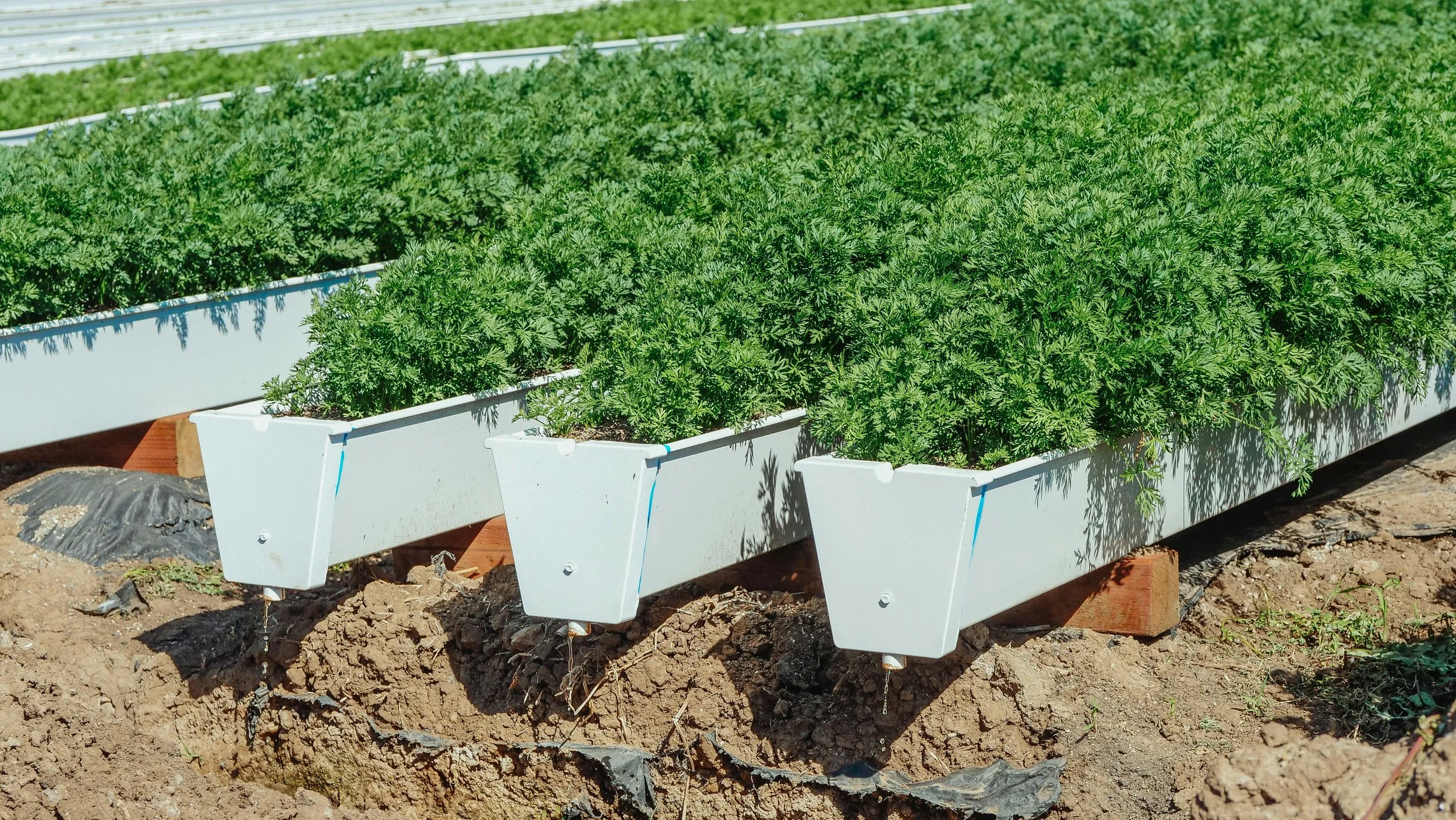
However, with many people now interested in organic farming, the issue of zinc leaching and soil contamination has naturally arisen.
We'll cover galvanised steel in detail and help you decide if this material is right for your garden.
Is Galvanised Steel Toxic to Plants?
The main concerns arise regarding the use of zinc in the production of pots and garden beds.
Let's clarify what galvanising is. It's the process of applying a zinc layer to steel to protect against rust.
The good news is that zinc is an essential micronutrient for plants. Under standard garden conditions, any zinc that reaches the soil is in microscopic quantities. It is either absorbed as a nutrient or remains inert.
Unlike the harmful chemicals found in old treated wood or old galvanised pots, which may contain lead, modern galvanised steel is non-toxic.
Does Galvanised Metal Leach into the Soil?
While leaching is possible, it depends heavily on the soil chemistry. Zinc begins to degrade only in highly acidic conditions (pH 5.0 or lower).
neutral soil (pH 6-7): leaching is almost nonexistent;
acidic soil (pH < 5.5): zinc coating degradation may accelerate;
alkaline soil (pH 7+): galvanised steel is exceptionally stable in alkaline conditions.
If you grow acid-loving plants such as blueberries or azaleas, a lower pH can cause the coating to deteriorate over several decades. However, for a typical garden, the risk of leaching is very low and poses no threat to human health or plant viability.
To maintain the rust resistance of galvanised steel, apply deoxidisers regularly.
Advantages of Galvanised Steel Garden Beds
One of the main advantages of galvanised steel is that it's much more durable than other metals. You can expect your raised beds to last at least 30 years without any special maintenance during this time. The boxes don't require oiling or any other treatment, although some gardeners paint them with metal paint or primer-enamel in the desired colour.
Advantages include:
lightweight construction;
easy installation;
resistance to fungus and mould;
a wide range of sizes;
easy installation of greenhouses and irrigation systems.
Furthermore, raised beds made of galvanised steel look great. Their design suits most gardens and contrasts beautifully with colourful vegetables or vibrant flowers.
What is the Downside of Galvanised Steel?
No material is perfect, and galvanised steel has a few practical drawbacks that gardeners should consider before buying.
| Feature | The Potential Downside | The Solution |
|---|---|---|
| Initial Cost | More expensive than cheap wood or plastic. | View it as a 20-year investment rather than a 3-year fix. |
| Heat Conductivity | Can warm the soil edges in direct summer sun. | Maintain consistent watering to keep the soil cool. |
| Edge Corrosion | Cut edges may show rust sooner than flat panels. | Look for beds with rolled edges or powder-coated finishes. |
While the initial cost of garden beds will be higher, the long-term benefits are undeniable. Many gardeners believe that metal structures can be purchased, installed, and forgotten about, which significantly outweighs the maintenance costs of wooden frames.
How Long Will Galvanised Steel Last in Soil?
The true value of galvanised metal lies in its durability. Depending on the thickness of the zinc coating and the moisture level of your garden, a high-quality galvanised garden bed can last from 20 to 50 years.
In very wet or marshy conditions, the zinc leaches more rapidly, protecting the steel, which may slightly shorten its lifespan. However, even in "aggressive" soils, you can expect at least two decades of service.
To maximize the lifespan of your garden beds, ensure good drainage to prevent water from pooling near the metal.
Safety Check: Modern vs. Old Galvanised Metal
It's important to distinguish between pots and garden beds made using modern technology and outdated products.
Modern steel: Modern galvanizing processes use high-purity zinc (99.9%+), which is lead-free.
Reclaimed/vintage metal: Antique buckets or industrial scrap metal manufactured before the 1970s may contain lead or cadmium in the coating.
Avoid using used pots unless you know their history.
The Final Verdict: Is it OK for Garden Beds?
Yes. galvanised metal is a safe, sustainable, and incredibly durable choice for modern gardens. It resists pests, prevents rot, and adds a premium look to any landscape.